
 Get a Quote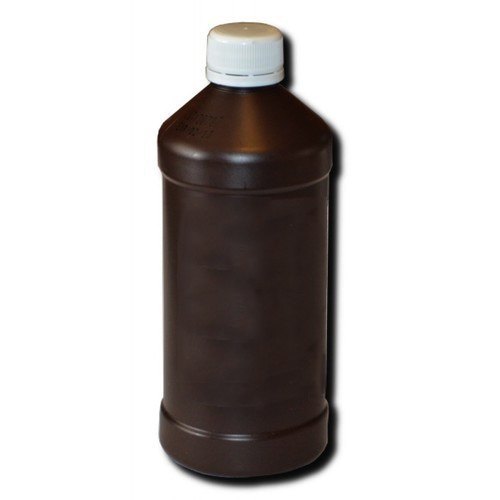
Hydrogen Peroxide
30.00 INR/Kilograms
Product Details:
- Structural Formula H-O-O-H
- Refractive Rate 1.406 (30% solution)
- Smell Slightly sharp, pungent odor
- HS Code 28470000
- Storage Store in a cool, well-ventilated, dry area away from sunlight
- Molecular Weight 34.01 g/mol
- Shape Liquid
- Click to view more
X
Hydrogen Peroxide Price And Quantity
- 1000 Kilograms
- 30.00 INR/Kilograms
Hydrogen Peroxide Product Specifications
- H2O2
- Industrial Grade, Food Grade, Laboratory Grade
- Yes
- ~5.0 (for 3% solution)
- Oxidizing Agent
- Bitter
- 1.11 Gram per cubic centimeter(g/cm3)
- Clear Colorless Liquid
- Hydrogen Peroxide
- 150.2°C
- 35%, 50%, 60%, 70%, 90%
- Liquid
- Peroxide, Dihydrogen Dioxide
- Miscible with water in all proportions
- -0.43°C (30% solution)
- 231-765-0
- 34.01 g/mol
- 7722-84-1
- Liquid
- Hydrogen Peroxide
- 1.406 (30% solution)
- H-O-O-H
- Conforms to International Export Standards
- Industrial, Laboratory, Medical, Household cleaning
- Slightly sharp, pungent odor
- Bleaching, disinfectant, water treatment, antiseptic, textile, pulp and paper industry
- 28470000
- Store in a cool, well-ventilated, dry area away from sunlight
- 12 months (under recommended conditions)
- Oxidizer, causes burns, harmful if swallowed
- ~5.0-6.5
- Stable under recommended storage conditions
- Clear, colorless liquid
- Decomposes slowly on exposure to light or impurities
- HDPE drums / IBC tanks / customized packaging
- Non-flammable
Hydrogen Peroxide Trade Information
- 10000 Kilograms Per Day
- 1 Week
Product Description
Hydrogen Peroxide is a mild antiseptic that may be used to small wounds, scrapes, and burns to prevent infection. When this product is administered to the afflicted region, it releases oxygen. Foaming is caused by the release of oxygen, which helps to eliminate dead skin and clean the region. In addition, when hydrogen peroxide comes into touch with air or water, it breaks down fast and readily, making it a safer alternative to chlorine chemicals.
Versatile Industrial Applications
Hydrogen peroxide serves as an essential chemical in various industries. Common applications include bleaching textiles and pulp, water purification, disinfection, and as a laboratory reagent. Its versatility also extends to antiseptic use and household cleaning. With customizable grades and packaging, it meets a wide spectrum of industrial demands and safety requirements.
Safe and Effective Storage
Store hydrogen peroxide in a cool, dry, well-ventilated area, strictly away from direct sunlight and impurities. Optimal storage in HDPE drums or IBC tanks helps preserve its efficacy, maintaining stability for up to 12 months. Safety protocols are crucial due to its oxidizing naturecontact with combustible materials or improper handling may pose risks.
FAQs of Hydrogen Peroxide:
Q: How should hydrogen peroxide be stored to maintain stability and effectiveness?
A: For best results, hydrogen peroxide should be kept in a cool, dry, and well-ventilated area, shielded from direct sunlight and away from any impurities or combustibles. Utilizing HDPE drums or IBC tanks helps ensure long-term stability and safe storage.Q: What is the primary benefit of using hydrogen peroxide in industrial and laboratory environments?
A: Hydrogen peroxide acts as a potent oxidizer, making it highly effective for bleaching, disinfecting, and water treatment. Its miscibility with water and wide range of purities allow flexibility in both industrial and scientific applications.Q: Where is hydrogen peroxide typically utilized?
A: This chemical is used extensively in industries such as pulp and paper, textiles, water treatment facilities, laboratories, healthcare environments, and for household cleaning purposes due to its strong oxidizing and disinfecting properties.Q: What precautions should be taken during the handling process of hydrogen peroxide?
A: Due to its classification as an oxidizing agent and potential to cause burns, hydrogen peroxide must be handled with appropriate protective gear, including gloves and eye protection, and kept away from incompatible materials to ensure safety.Q: When does hydrogen peroxide decompose, and how can this be prevented?
A: Hydrogen peroxide decomposes slowly when exposed to light or impurities. To minimize decomposition, store it in opaque, sealed containers and ensure it remains free from contaminants.Q: What are the available grades and packaging options for hydrogen peroxide?
A: Hydrogen peroxide is offered in industrial, food, and laboratory grades, with purities ranging from 35% to 90%. It is available in HDPE drums, IBC tanks, and can be supplied in customized packaging to suit specific requirements.Tell us about your requirement

Price:
Quantity
Select Unit
- 50
- 100
- 200
- 250
- 500
- 1000+
Additional detail
Mobile number
Email


"We deal in bulk inquiries only"
Contact Details

- Sf-5, Indraprasth Complex, Opp. Bharat Petrol Pump, Near Vadsar Road, Vadsar,Vadodara - 390010, Gujarat, India
- Phone : 08045803247
DRASHTI CHEMICALS
GST : 24AGLPC6288M1ZX
GST : 24AGLPC6288M1ZX

- Mr Rajesh Chauhan (Proprietor)
- Mobile : 08045803247
- Send Inquiry
 Send Inquiry
 Send Inquiry
 Send SMS
DRASHTI CHEMICALS
All Rights Reserved.(Terms of Use)
Developed and Managed by Infocom Network Private Limited.
Developed and Managed by Infocom Network Private Limited.

