
 Get a Quote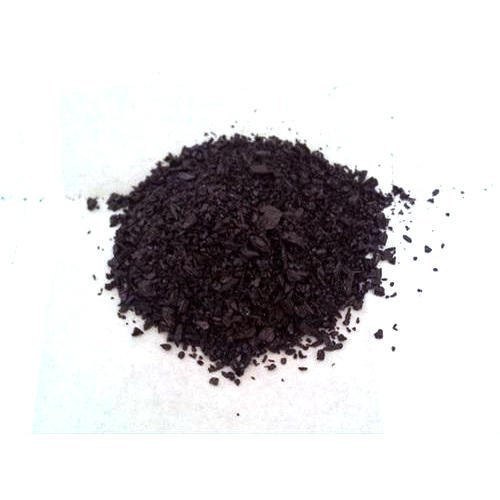
Potassium Permanganate
170.00 INR/Kilograms
Product Details:
- Shelf Life 2 years under recommended storage conditions
- Storage Store in a cool, dry, and well-ventilated location, away from reducers, organics, and combustibles
- Ingredients Potassium Permanganate
- Poisonous Yes, toxic if ingested or inhaled
- Shape Prismatic crystals
- Taste Astringent (not recommended for ingestion)
- Properties Strong oxidizing agent, decomposes on heating, stains skin and organic material, soluble in water
- Click to view more
X
Potassium Permanganate Price And Quantity
- 100 Kilograms
- 170.00 INR/Kilograms
Potassium Permanganate Product Specifications
- Water treatment, disinfectant, bleaching agent, laboratory reagent
- 2.7 Gram per cubic centimeter(g/cm3)
- Inorganic Chemical Compound
- 231-760-3
- 99% minimum
- KMnO4
- Odorless
- 28416000
- >240C (decomposes)
- Yes, toxic if ingested or inhaled
- Potassium Permanganate
- Store in a cool, dry, and well-ventilated location, away from reducers, organics, and combustibles
- 2 years under recommended storage conditions
- Strong oxidizing agent, decomposes on heating, stains skin and organic material, soluble in water
- Astringent (not recommended for ingestion)
- Prismatic crystals
- Soluble in water
- 7722-64-7
- Crystalline Solid
- O-Mn(=O)-O / K
- Alkaline (strongly basic in solution)
- Industrial, Laboratory, Pharmaceutical
- Used for disinfection, analytical chemistry, oxidizing reactions
- 158.034 g/mol
- Dark purple or almost black crystals
- Coarse crystalline
- 500 g / 1 kg / 25 kg / 50 kg options
- Stable under normal conditions, decomposes when heated
- <0.5%
- Oxidizing solid, Class 5.1 (UN 1490)
- UN No. 1490, Packing Group II
- CI 7775
- Incompatible with organic matter and strong acids
Potassium Permanganate Trade Information
- 10000 Kilograms Per Day
- 1 Week
Product Description
The chemical compound Potassium Permanganate is made up of manganese oxide ore and potassium hydroxide. It is an oxidising agent that is also a disinfectant, deodorising, and astringent. When potassium permanganate is applied to the skin, it kills bacteria by releasing oxygen when it comes into contact with the chemicals in the skin. It also has astringent properties, making it a drying agent. Furthermore, Potassium Permanganate is an odourless dark purple or practically black crystal or granular powder in its natural condition.
Applications and Usage
Potassium Permanganate is widely utilized in industrial, laboratory, and pharmaceutical settings. Its primary applications include water treatment (disinfection of potable water), removal of iron and manganese, and bleaching processes. The compound's strong oxidizing properties also make it valuable in analytical chemistry and in oxidation reactions for research and manufacturing.
Safety, Storage, and Handling
Due to its oxidizing nature and toxicity, Potassium Permanganate must be handled with care. It should be stored in a cool, dry, and well-ventilated area, away from organic matter, strong acids, and combustibles to prevent hazardous reactions. Users should wear appropriate protective equipment, as it can stain skin and is poisonous if ingested or inhaled. Shelf life is two years under recommended storage conditions.
Physical and Chemical Properties
Potassium Permanganate appears as dark purple, almost black prismatic crystals and is odorless with an astringent taste. It is highly soluble in water, creating strongly alkaline solutions. With a molecular weight of 158.034 g/mol, it decomposes above 240C and has a density of 2.7 g/cm3. On heating, it releases oxygen and manganese dioxide, necessitating careful heat management.
FAQ's of Potassium Permanganate:
Q: How should Potassium Permanganate be stored to ensure maximum shelf life and safety?
A: Potassium Permanganate should be stored in a cool, dry, well-ventilated location, away from organic materials, strong acids, reducers, and combustibles. Proper storage under these conditions will assure a shelf life of up to two years.Q: What are the main uses and benefits of Potassium Permanganate in industrial and laboratory settings?
A: Potassium Permanganate is primarily used as a disinfectant in water treatment, for oxidation reactions in analytical chemistry, and as a bleaching agent in various industries. It effectively removes contaminants, aids in chemical analysis, and helps prevent microbial growth.Q: When and where should Potassium Permanganate not be used?
A: Potassium Permanganate must not be mixed with organic matter or strong acids, as this can result in dangerous reactions. It should be avoided in environments containing reducers or combustibles and is not recommended for ingestion or direct contact with skin or eyes.Q: What is the process for using Potassium Permanganate in water treatment?
A: Potassium Permanganate is dissolved in water to form an oxidizing solution, which is then added to the water system. This process removes impurities such as iron and manganese and disinfects by oxidizing organic contaminants and pathogens present.Q: Is Potassium Permanganate safe to handle and what precautions should be taken?
A: Potassium Permanganate is toxic if ingested or inhaled, and can stain skin sharply. Always wear gloves, eye protection, and suitable clothing when handling, and avoid breathing dust. Ensure the workspace is well-ventilated and follow all hazard and safety guidelines.Q: What pack sizes are available for Potassium Permanganate, and how can it be sourced in India?
A: Potassium Permanganate is available in pack sizes of 500 g, 1 kg, 25 kg, and 50 kg. It can be sourced from dealers, distributors, exporters, manufacturers, suppliers, traders, and wholesalers across India.Tell us about your requirement

Price:
Quantity
Select Unit
- 50
- 100
- 200
- 250
- 500
- 1000+
Additional detail
Mobile number
Email


"We deal in bulk inquiries only"
Contact Details

- Sf-5, Indraprasth Complex, Opp. Bharat Petrol Pump, Near Vadsar Road, Vadsar,Vadodara - 390010, Gujarat, India
- Phone : 08045803247
DRASHTI CHEMICALS
GST : 24AGLPC6288M1ZX
GST : 24AGLPC6288M1ZX

- Mr Rajesh Chauhan (Proprietor)
- Mobile : 08045803247
- Send Inquiry
 Send Inquiry
 Send Inquiry
 Send SMS
DRASHTI CHEMICALS
All Rights Reserved.(Terms of Use)
Developed and Managed by Infocom Network Private Limited.
Developed and Managed by Infocom Network Private Limited.

