
 Get a Quote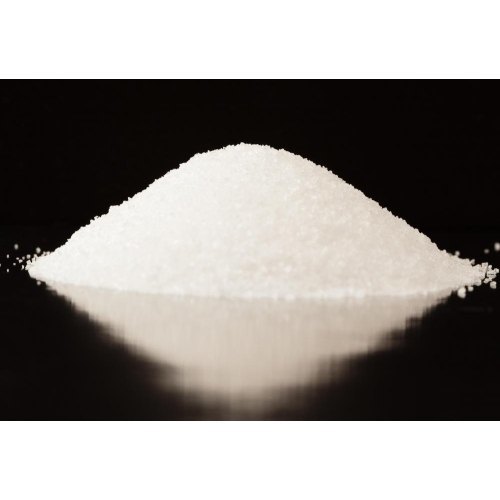
Sodium Tripolyphosphate Powder
90.00 INR/Kilograms
Product Details:
- Purity 94%
- Form Powder or granular
- Molecular Formula Na5P3O10
- Structural Formula (NaPO3)3Na2O
- Density 2.52 Gram per cubic centimeter(g/cm3)
- Boiling point Decomposes before boiling
- Other Names STPP
- Click to view more
X
Sodium Tripolyphosphate Powder Price And Quantity
- 100 Kilograms
- 90.00 INR/Kilograms
- 0.015%
- 10 ppm (for food grade)
- 24 months
- White powder or crystalline powder
- 9.7 10.1
- 0.1%
- 90%
- 25 kg/bag, 50 kg/bag, or as per customer request
- 0.7%
Sodium Tripolyphosphate Powder Product Specifications
- 28353100
- 7758-29-4
- Easy soluble in water
- Powder
- Inorganic Chemical
- Yes
- Odorless
- Tasteless
- Industrial grade, Food grade
- 622 C
- Store in a cool, dry, well-ventilated area, away from moisture and incompatible substances.
- Phosphates
- Sodium tripolyphosphate
- Sodium Tripolyphosphate
- Widely used as water softener, detergent auxiliary, dispersing agent, and food additive preservative
- 2.52 Gram per cubic centimeter(g/cm3)
- Decomposes before boiling
- STPP
- 367.86 g/mol
- 9.2 10.0 (1% solution)
- 94%
- 231-838-7
- GB 9983-2004, HG/T 2519-2005, FCCV
- Powder or granular
- Na5P3O10
- (NaPO3)3Na2O
- 0.015%
- 10 ppm (for food grade)
- 24 months
- White powder or crystalline powder
- 9.7 10.1
- 0.1%
- 90%
- 25 kg/bag, 50 kg/bag, or as per customer request
- 0.7%
Sodium Tripolyphosphate Powder Trade Information
- 1000 Kilograms Per Day
- 1 Week
Product Description
Sodium Tripolyphosphate Powder is a chemical that is frequently used to soak seafood to make it seem firmer and more shiny. It is also recognised as triphosphoric acid or pentasodium salt. The sodium version of the polyphosphate penta-anion, sodium tripolyphosphate, is an inorganic chemical. It is found in a variety of household and commercial goods, notably detergents. It is commonly found in conventional and compact laundry detergents, as well as automated dish washing detergents.
Versatile Industrial Applications
Sodium Tripolyphosphate is integral to a multitude of sectors due to its superior dispersing and water softening capabilities. It is a key ingredient in detergents, enabling efficient cleansing by mitigating water hardness. In food processing, STPP acts as a preservative and texturizer, while its chemical stability and purity support use in ceramics, water treatment, leather, paper, and textiles.
Reliable Quality and Safety Standards
Offered in both food and industrial grades, our STPP meets established standards such as GB 9983-2004, HG/T 2519-2005, and FCCV. With a low content of heavy metals (10 ppm as Pb for food grade) and iron (0.015%), it ensures safety and effectiveness. The product is non-poisonous, odorless, and tasteless, suitable for sensitive manufacturing and processing environments.
Packaging and Storage Specifications
STPP is supplied in secure 25 kg or 50 kg bags, or customized packaging as per customer demand. Proper storage in cool, dry, and well-ventilated areas extends its shelf life up to 24 months, maintaining its high whiteness (90%) and solubility. Keeping it away from moisture and incompatible substances preserves its quality and performance.
FAQ's of Sodium Tripolyphosphate Powder:
Q: How should Sodium Tripolyphosphate powder be stored to maintain its quality?
A: Sodium Tripolyphosphate powder should be stored in a cool, dry, and well-ventilated area, protected from moisture and incompatible substances. Proper storage preserves its high purity and functional properties, ensuring a shelf life of up to 24 months.Q: What are the main industrial and food applications of Sodium Tripolyphosphate?
A: Sodium Tripolyphosphate is widely used as a water softener and dispersing agent in detergents, ceramics, textiles, leather, petroleum, and papermaking industries. In food processing, it serves as a preservative and stabilizer, meeting stringent food grade standards.Q: When is it beneficial to use STPP as a water softener in industrial processes?
A: STPP is beneficial as a water softener whenever water hardness impedes cleaning or processing efficiency. Its strong chelating properties bind calcium and magnesium ions, improving detergent performance and protecting equipment from scale buildup.Q: Where can STPP be used safely as a food additive, and what standards does it meet?
A: Food-grade STPP, adhering to standards like FCCV and GB 9983-2004, can be safely used in food processing and preservation. It ensures low heavy metals content and complies with regulations for use in the production of meat, seafood, and bakery items.Q: What is the recommended process for dissolving Sodium Tripolyphosphate in water?
A: Due to its high solubility (0.1% insoluble in water), STPP should be gradually added to clean water while stirring to ensure complete dissolution. The resulting solution will have a slightly alkaline pH of 9.7-10.1 (1% solution).Q: How does the use of STPP benefit water treatment and cleaning formulations?
A: STPP improves water treatment by binding hardness ions, preventing scale formation, and enhancing the efficacy of cleaning agents. Its dispersing and emulsifying properties boost detergent action in both industrial and domestic applications.Tell us about your requirement

Price:
Quantity
Select Unit
- 50
- 100
- 200
- 250
- 500
- 1000+
Additional detail
Mobile number
Email

Other Products in 'Sodium Phosphate' category

"We deal in bulk inquiries only"
Contact Details

- Sf-5, Indraprasth Complex, Opp. Bharat Petrol Pump, Near Vadsar Road, Vadsar,Vadodara - 390010, Gujarat, India
- Phone : 08045803247
DRASHTI CHEMICALS
GST : 24AGLPC6288M1ZX
GST : 24AGLPC6288M1ZX

- Mr Rajesh Chauhan (Proprietor)
- Mobile : 08045803247
- Send Inquiry
 Send Inquiry
 Send Inquiry
 Send SMS
DRASHTI CHEMICALS
All Rights Reserved.(Terms of Use)
Developed and Managed by Infocom Network Private Limited.
Developed and Managed by Infocom Network Private Limited.

